Millions of People Are Using Their AI Chatbot as a Therapist
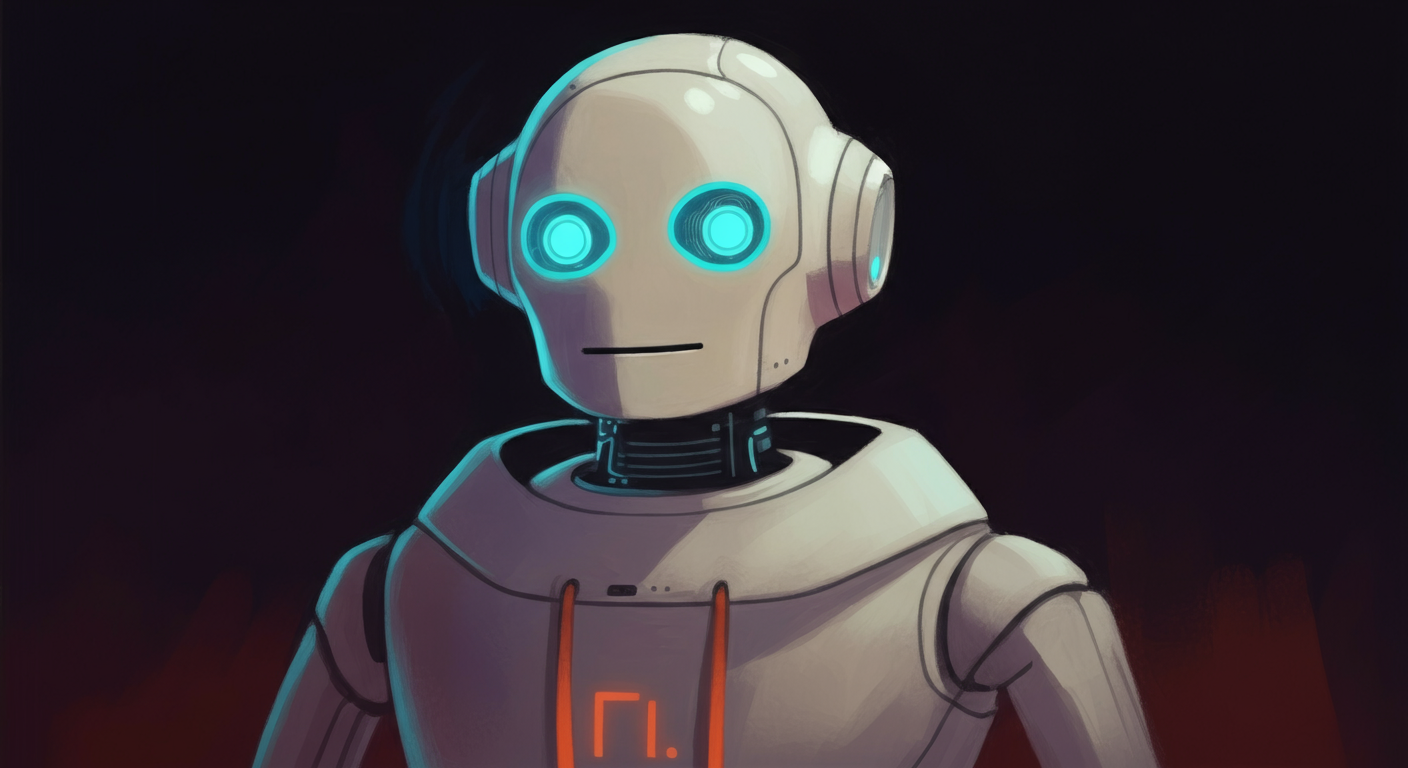
Pi, by Inflection AI, was never marketed as a therapist. Read the product copy and you'll find words like "companion," "supportive," "here to listen." Somewhere between the pitch deck and the app store, millions of users decided the distinction didn't matter much.
This is not a new story. It's an old one wearing a new interface. In 1966, MIT researcher Joseph Weizenbaum built ELIZA, a chatbot that mimicked a Rogerian therapist by reflecting a user's own words back as questions. Weizenbaum expected people to see through the trick immediately. Instead, his own secretary asked him to leave the room so she could speak to it privately. He spent the rest of his career warning that the illusion of being understood by a machine was more dangerous, not less, because it worked.
Pi works for a similar reason, executed with sixty years of additional engineering. It doesn't diagnose. It doesn't prescribe. It asks a good follow-up question, remembers what you told it last week, and never once sighs, checks its watch, or bills your insurance. Gizmodo's Victoria Song described the experience bluntly: a chatbot "convinced me to find a therapist," precisely because talking to Pi surfaced how much she'd been avoiding talking to anyone.
That's the uncomfortable center of this story. Pi didn't replace therapy for a lot of people. It replaced nothing, because most of them didn't have therapy to begin with. The mental health system in most countries is not short on demand. It's short on capacity, cost, and geography. A warm, patient, always-available conversational interface doesn't need to be a good substitute for psychotherapy to feel like an upgrade over the actual alternative, which for millions of people is nothing at all.
Does intent matter here, or only outcome? Inflection built Pi to be liked, not to heal anyone, and the two turned out to overlap more than expected. That's a design choice with consequences the company arguably didn't fully reckon with. It's worth remembering that Inflection itself didn't survive this story intact: co-founder Mustafa Suleyman departed for Microsoft in 2024, and IEEE Spectrum later chronicled the company's unraveling even as Pi kept its user base. The product that made people feel heard wasn't enough, on its own, to make the business durable. That gap between what users wanted and what investors could fund is one of the more honest tensions in the entire AI-companion category.
It also explains why regulators have started paying attention to the mechanism, not just the marketing claims. A chatbot optimized to keep you talking has a structural incentive to agree with you, soothe you, and rarely push back, the same dynamic we covered this week in the UN scientific panel's preliminary findings linking chatbot sycophancy to real harm. Colorado and New York have already passed the first state laws specifically targeting chatbot conduct, including disclosure and crisis-referral requirements for tools used by minors. None of those laws exist because Pi did something malicious. They exist because "the chatbot made me feel better" and "the chatbot is medically qualified to make me feel better" are different claims, and the entire category has spent years blurring them, sometimes on purpose.
None of this makes Pi a villain. The mental health establishment says an AI companion is not therapy, and it's right. Users say it helped them anyway, and they're not lying. Both things are true at once, and the tension between them isn't a bug to be argued away, it's the actual shape of the problem. A chatbot didn't fix the mental health system's capacity crisis. It just made the crisis legible, one warm, patient, always-available conversation at a time. That's a harder thing to regulate than a bad actor, because there isn't one. There's just a gap in the world that a product happened to fit into, and nobody built the thing that goes in the gap on purpose.
None of this is happening in a vacuum. The same years that produced Pi also produced a surgeon general's advisory naming loneliness a public health concern, and a wave of companion apps, Replika and Character.AI chief among them, built entire businesses on the same insight: a lot of people would rather talk to something that listens than talk to no one at all. Pi's twist was making that companionship feel less like a game and more like a genuinely useful conversation, which is exactly why the therapy comparison stuck instead of fading as a punchline. You don't accidentally get compared to a therapist. You get compared to one because you did enough of a therapist's actual job, badly enough that people noticed the resemblance and well enough that they kept coming back anyway.
Enjoyed this? Get more.
Weekly dispatches on AI culture, chatbots, and the robot future. No hype.


